

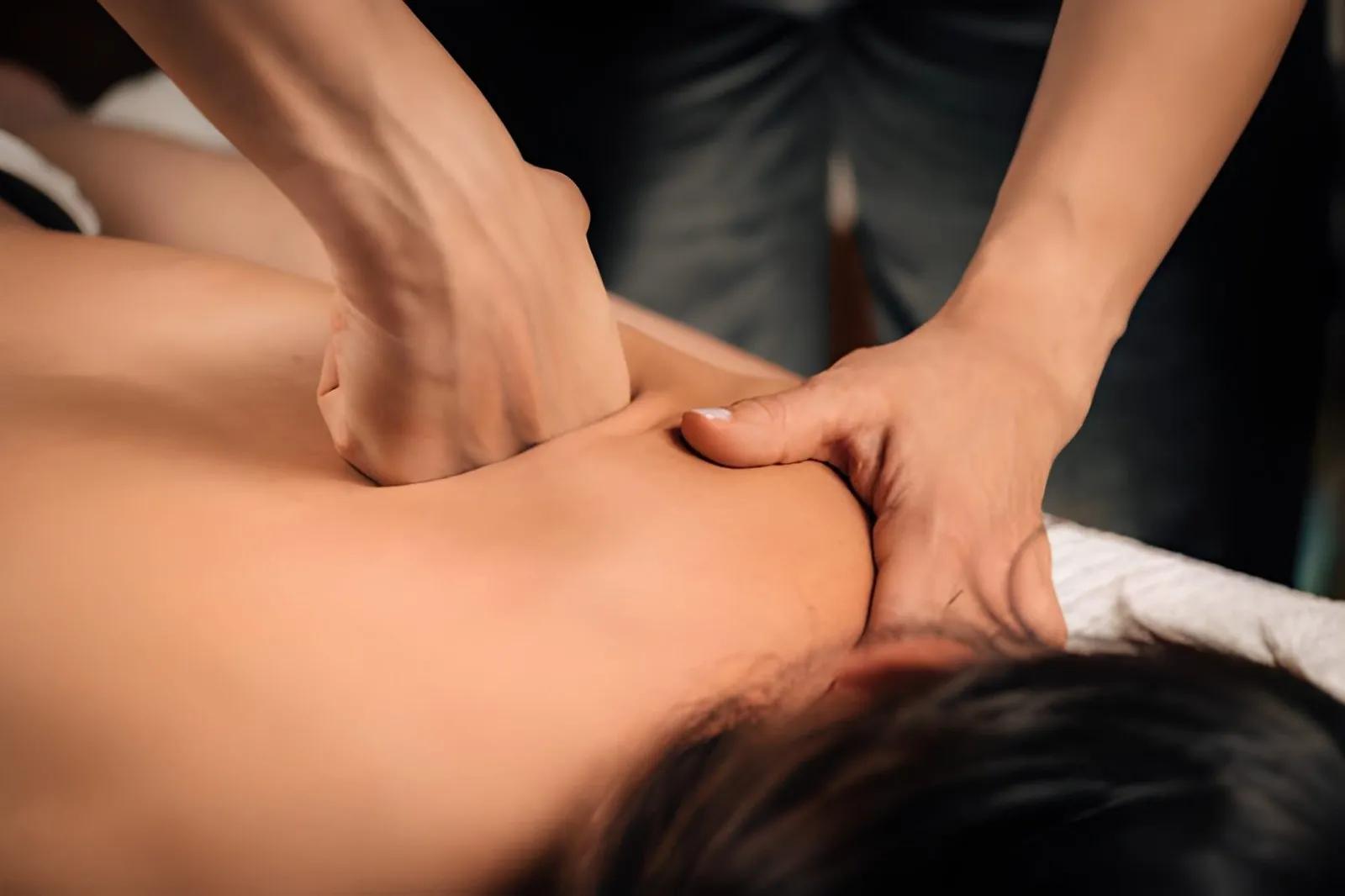
Deep Tissue massage south edmonton
Muscle soreness and tension can develop after exercise, physical work, repetitive movements, or long periods of sitting. While rest can be helpful, combining gentle stretching with massage may provide a more comprehensive approach to muscle recovery. Each method works differently, and using both can support flexibility, comfortable movement, and relaxation.

How Does Stretching Support Muscle Recovery?
Stretching encourages gentle movement through the muscles and joints. It can help maintain flexibility and make everyday movements feel more comfortable, particularly after physical activity. Regular flexibility exercises can also support mobility and range of motion when performed appropriately.
According to the NHS, flexibility exercises can be included as part of a broader approach to maintaining strength, mobility, and physical function. Stretching should generally be performed gradually without forcing a muscle into painful positions.
How Can Massage Help With Muscle Tension?
Massage focuses on the soft tissues of the body and may help reduce the feeling of tightness that can develop after physical activity or prolonged muscle use. Different massage techniques can be used depending on the individual's needs, the location of discomfort, and the level of pressure that can be tolerated.
For people experiencing ongoing muscle tightness or soreness, Massage Therapy for Muscle Pain and Tension may be considered as part of a broader approach to managing discomfort. The National Center for Complementary and Integrative Health notes that massage may provide short-term relief for certain types of pain, although results can vary depending on the condition and individual.
How Do Stretching and Massage Work Together?
Stretching and massage can complement one another because they address different aspects of muscle recovery. Massage can focus on areas that feel tight or overworked, while stretching encourages controlled movement and flexibility.
A recovery routine may include massage when muscles feel particularly tense, followed by gentle stretching that keeps the body moving comfortably. The timing and intensity should depend on the individual's activity level, muscle condition, and overall comfort.
When Can Deep Tissue Massage Be Considered?
Deep tissue massage uses firmer pressure and slower strokes to address deeper layers of muscle and connective tissue. It may be considered by individuals experiencing persistent muscle tightness or areas that feel particularly tense after physical activity. The National Center for Complementary and Integrative Health provides information on massage therapy for pain, including its potential role in managing certain types of discomfort.
Individuals looking for deep tissue massage in south Edmonton may benefit from discussing their specific concerns with a qualified massage therapist before treatment. This allows the practitioner to understand the areas of discomfort and determine whether deeper pressure is appropriate.
What Are the Benefits of Combining Both Approaches?
Using stretching and massage together may provide several complementary benefits. Massage can help promote relaxation and address areas of muscular tension, while stretching can support flexibility and comfortable movement.
This combination may be especially useful for people whose daily routines involve exercise, repetitive physical activity, prolonged sitting, or other activities that contribute to muscle tightness. Rather than relying on one technique alone, combining appropriate recovery methods can create a more balanced approach to maintaining mobility.
How Should Stretching Be Combined with Massage?
The approach should be adjusted according to the individual's physical condition and recovery needs. Gentle stretching can be incorporated before or after regular activities, while massage sessions can be scheduled based on muscle tension and activity levels.
Stretching should remain comfortable and controlled rather than aggressive. Similarly, massage pressure should be appropriate for the person's tolerance and treatment goals. Communication with the massage therapist is important, particularly when an area is painful, recently injured, or unusually sensitive.
When Should Professional Guidance Be Considered?
Muscle soreness that persists, repeatedly returns, or interferes with normal movement may require more than a basic recovery routine. A qualified healthcare or massage professional can help determine whether massage, stretching, or another approach is appropriate.
Professional guidance is particularly important when discomfort follows an injury, is accompanied by significant swelling or weakness, or does not improve with normal rest and activity modification.
Final Thoughts
Stretching and massage can serve different but complementary roles in muscle recovery. Stretching supports mobility and flexibility, while massage can help address muscle tension and promote relaxation. When used appropriately, combining both approaches can support comfortable movement and a consistent recovery routine.
The most suitable approach depends on the individual's activity level, muscle condition, and recovery goals. A qualified professional can help determine the appropriate massage technique and stretching approach based on those factors.